The Birdman Who Taught the World to Glide
Before the Wrights’ powered flight, Otto Lilienthal leapt from hills in hang gliders he built himself — and published the data that taught others to fly.
Jump, glide, measure, share
Otto Lilienthal was a German engineer who treated bird flight like a homework problem you solve with your whole body. In the 1890s he built hang gliders, ran and leapt from hills (and a purpose-built conical hill near Berlin), and rode the air on fabric wings while the world watched photographs of a man who looked half bird.
He did not only perform. He measured. Lilienthal published tables and books on cambered wings and lift so other inventors could stop guessing. The Wright brothers studied his work. When people say “someone had to show gliding was real,” they are often pointing at Lilienthal’s flights — thousands of them across his designs.
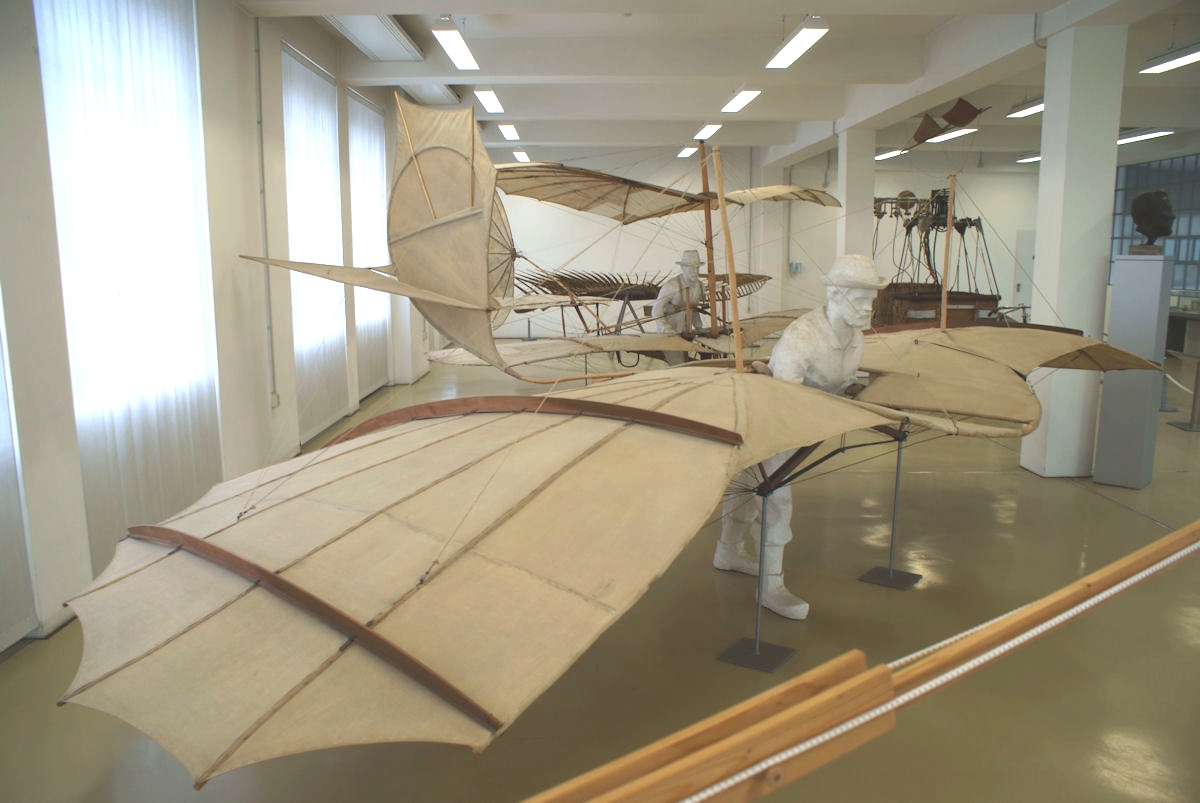
His “Normal soaring apparatus” and other monoplane and biplane gliders used willow, fabric, and careful wing curves. He steered mainly by shifting his weight in the A-frame, the way many hang-glider pilots still think about balance.
Respect for the cost
On 9 August 1896 Lilienthal crashed in a glider and died the next day from his injuries. He was 48. The hangar tells that once, briefly, with respect — not as a thrill. Early flight demanded courage, and courage sometimes was not enough. His reported last words about sacrifices are often repeated; we will not invent drama beyond what history already holds. What we keep is the gift: shared data and proof that human wings could work.
Museums display replicas of his Normal apparatus so kids can see how small and personal those wings were. No cockpit. No engine. Just a person and a wing and a hill.
Why the Wrights cared
Powered flight needed good wings and good control ideas. Lilienthal’s cambered surfaces and patient testing made the path less mystical. Others also mattered — Chanute, Pénaud, and more — but Lilienthal is the hangar’s birdman: public, photographed, published.
Captain, ten, writes “measure, then leap” on the board. Co-Pilot, eight, wants a hill diagram with wind arrows. Wingman, six, flapped his arms, then admitted Lilienthal’s fabric wings were smarter.
Try this: camber matters
Cut two paper strips the same size. Leave one flat. Curve the other into a gentle hill shape (camber) and tape it to hold the curve. Blow across both with a fan or your breath and feel/see how the curved one wants to lift differently when taped to a straw balance. Talk about why Lilienthal cared about wing shape, not just wing size.
Ground experiments only. No jumping off roofs with bedsheets. Ever.
Source note
Otto Lilienthal (1848–1896); 1890s hang-glider flights near Berlin; published aerodynamic tables/books; weight-shift control; died after 9 Aug 1896 glider crash; influence on Wrights and others; Normal-Segelapparat replicas in museums.
Crew note
Captain keeps the death note short and serious. Co-Pilot drew a respectful bird instead of a cartoon crash. Wingman renamed the hill “Otto’s homework,” which somehow fits.