The Flying Barrel That Won Air Races
The Gee Bee R-1 was basically an engine with tiny wings and a teardrop body — so short and round pilots said it was like riding a bullet.
Engine first, airplane second
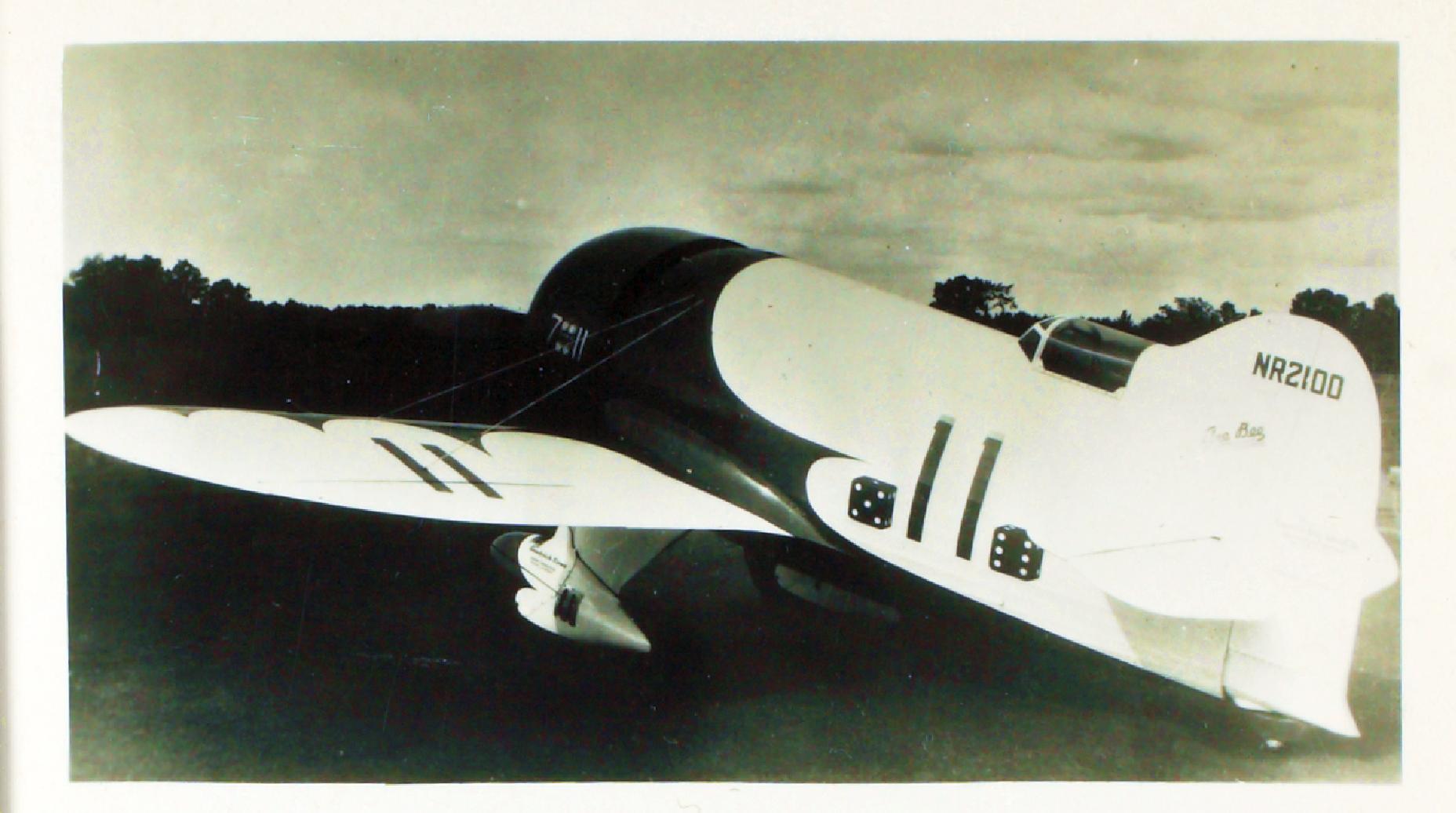
The Gee Bee R-1 Super Sportster did not look like a polite airplane. It looked like a racing engine that grew the smallest possible set of wings and a teardrop shell around the pilot.
Built by the Granville Brothers in Springfield, Massachusetts, the R-1 was made for the early-1930s air-race circuit — Thompson Trophy speed contests where the prize went to whoever could hang on and go fastest around pylons. Jimmy Doolittle flew the R-1 to the 1932 Thompson Trophy win and set a landplane speed mark near 300 mph that same season. The barrel shape was the point: stuff a huge Pratt & Whitney radial up front, keep the fuselage short and fat to reduce wetted area, and accept that the plane would be twitchy.
Why barrels are scary
Short, fat racers have little “lever arm” between the wing and the tail. Small control inputs can become big attitude changes. Visibility past that giant engine was poor. Landing speeds were high for the era. Pilots who flew Gee Bees talked about them with respect, not cuddly nicknames.
The hangar rule here is light on glory and honest about risk. Air racing in the 1930s killed people. The R-1’s story belongs with the engineering dare — packing maximum power into minimum airplane — not with “cool danger” posters. Later Gee Bee types and replicas remind us how thin the margin was between a win and a wreck.
Still, the shape teaches a clean lesson. Drag costs speed. A teardrop around a big engine can be faster than a long, skinny fuselage that looks “more like an airplane.” Beauty contests and race clocks do not use the same scorecard.
What kids should steal from it
Captain, ten, cares about the radial’s size versus the wing’s size. Co-Pilot, eight, wants to paint race number 11 on every model. Wingman, six, calls it the flying barrel and then asks why barrels do not have tails, which is the start of a good hangar talk.
Modern airliners are not Gee Bees. They chase efficiency, quiet, and safe margins. Race planes of that era chased a stopwatch. Knowing the difference is part of growing up around airplanes: not every cool shape is a shape you want to copy for everyday flying.
Replicas and museum restorations keep the R-1 silhouette alive. Stand next to one and the wings look almost optional. That is the optical trick. They were not optional. They were just barely enough.
Try this: fat vs skinny race
Fold two paper planes from the same sheet size. Make one long and skinny. Crush the other into a short, fat “barrel” with tiny wings taped on. Race them down a hallway for distance, not style. The fat one may surprise you — or tumble. Adjust the nose weight until both fly. Talk about why a real Gee Bee needed a skilled pilot, not just a round body.
No backyard “race” with anything that has a real engine. Paper only.
Source note
Granville Brothers Gee Bee R-1 Super Sportster; 1932 Thompson Trophy (Jimmy Doolittle); early-1930s U.S. air racing; short teardrop fuselage around large radial engine; high-risk pylon racing context.
Crew note
Captain will not let us call racing “safe fun.” Co-Pilot still wants the red-and-white paint. Wingman practices saying “Super Sportster” until it sounds like a cereal.