The Flying Boat With Twelve Engines
Dornier’s Do X had twelve engines (six pull, six push) and once carried more than 150 people — a floating hotel with wings.
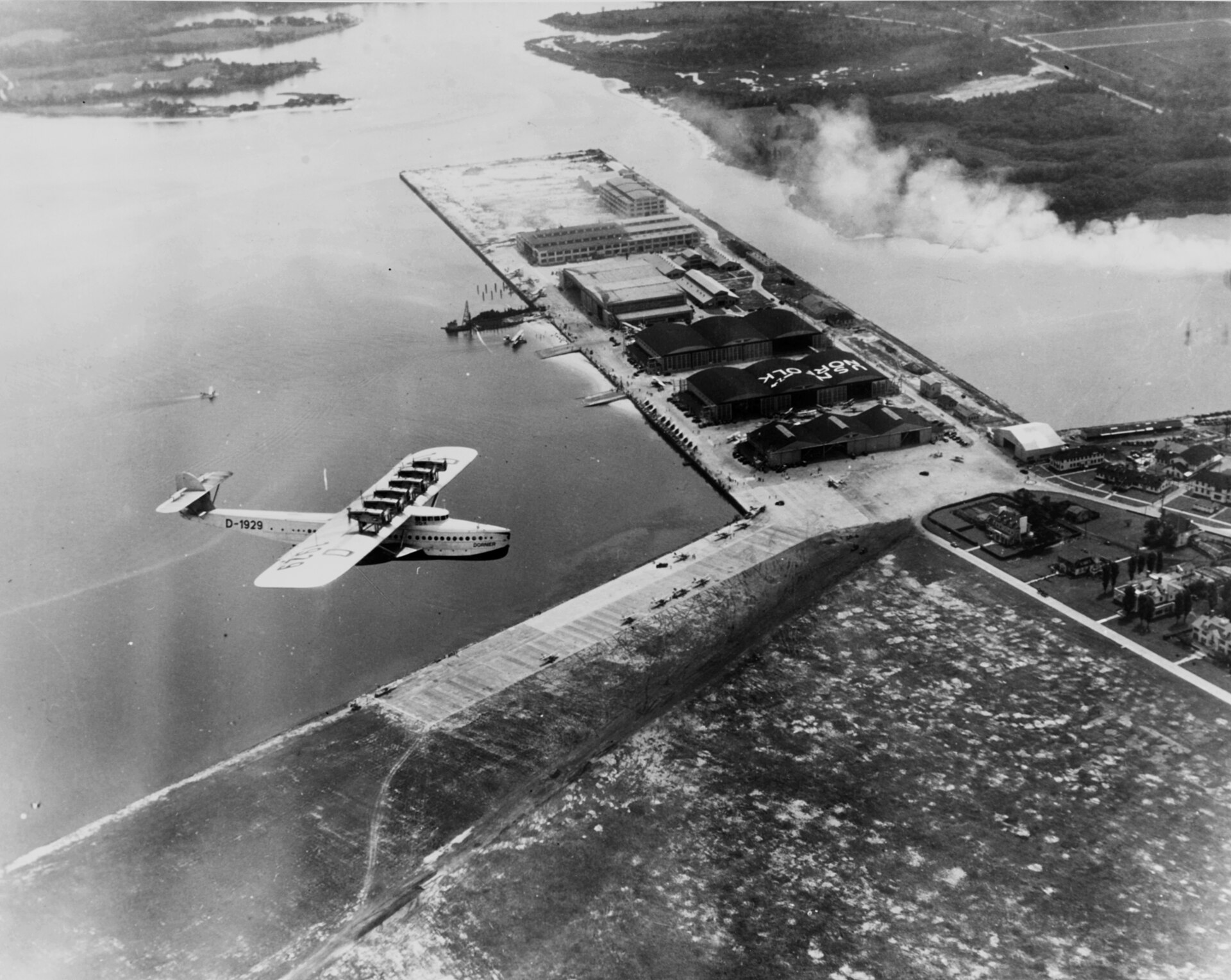
Count the props
Claude Dornier’s Do X looked like a hotel that decided to become a boat, then bolted on enough engines to argue with gravity. Twelve engines sat in six tandem pairs atop the wing — six pulling, six pushing. In an age when many airliners had two or three engines, the Do X answered “how many?” with “yes.”
Built in Germany and first flown in 1929, the giant flying boat was meant to prove long ocean passenger travel by air. On 21 October 1929 it set a then-record by lifting 169 people on a flight over Lake Constance — passengers, crew, and even a few stowaway-style extras in the count that newspapers loved. The cabin had decks, lounges, and the feeling of a ship that had learned to leave the water for a while.
Floating hotel problems
More engines mean more power — and more things that can quit, overheat, or drink fuel. The Do X’s early powerplants struggled. Later engine swaps improved reliability, but the airplane stayed thirsty and expensive. A famous demonstration voyage toward the Americas in 1930–31 showed both the romance and the headaches: long legs, repairs, politics, and a machine that was easier to photograph than to operate as a daily airline.
Wingspan was about 157 feet. The hull was a true boat hull. Takeoffs and landings happened on water, so harbors became airports. For kids in the hangar, that is half the magic: the runway is a lake.
Only a handful of Do X airframes were completed. None became the world-spanning airline fleet Dornier imagined. The idea of huge flying boats lived on for a while in other designs, then faded as land airports and long-range landplanes took over.
Why twelve still impresses
Captain, ten, makes the crew count engines twice because twelve sounds like a joke. Co-Pilot, eight, wants bunk beds drawn in the cabin. Wingman, six, asked if the push engines get dizzy staring at the pull engines, which is not how tandem props work, but we wrote it on the board anyway.
The Do X matters as a peak of “bigger and more motors” thinking. Modern airliners usually chase fewer, more efficient engines. The Do X is the opposite poster: stack the power until the hotel lifts.
Try this: tandem paper props
Fold a wide paper flying-boat shape (blunt nose, high wing scribble). Tape six tiny paper “engine pods” on the wing in pairs — front and back. It will not really push-pull, but counting to twelve while you tape is the lesson. Race it across a kiddie pool of imagination (carpet). Talk about why boats that fly need both a strong hull and a lot of thrust.
No real seaplanes in the bathtub with motors. Paper hotel only.
Source note
Dornier Do X twelve-engine flying boat; first flight 1929; record passenger lift 169 people on 21 Oct 1929 (Lake Constance); six tractor + six pusher engines in tandem nacelles; limited production; demonstration flights early 1930s.
Crew note
Captain insists we say “pull and push,” not “front and confused.” Co-Pilot keeps inventing lounge menus. Wingman wants twelve paper engines even if the model tips over.