The Airplane Built Sideways on Purpose
The Blohm & Voss BV 141 put the crew in a glass pod on one side and the engine on the other — looking like a broken plane that somehow flew straight.
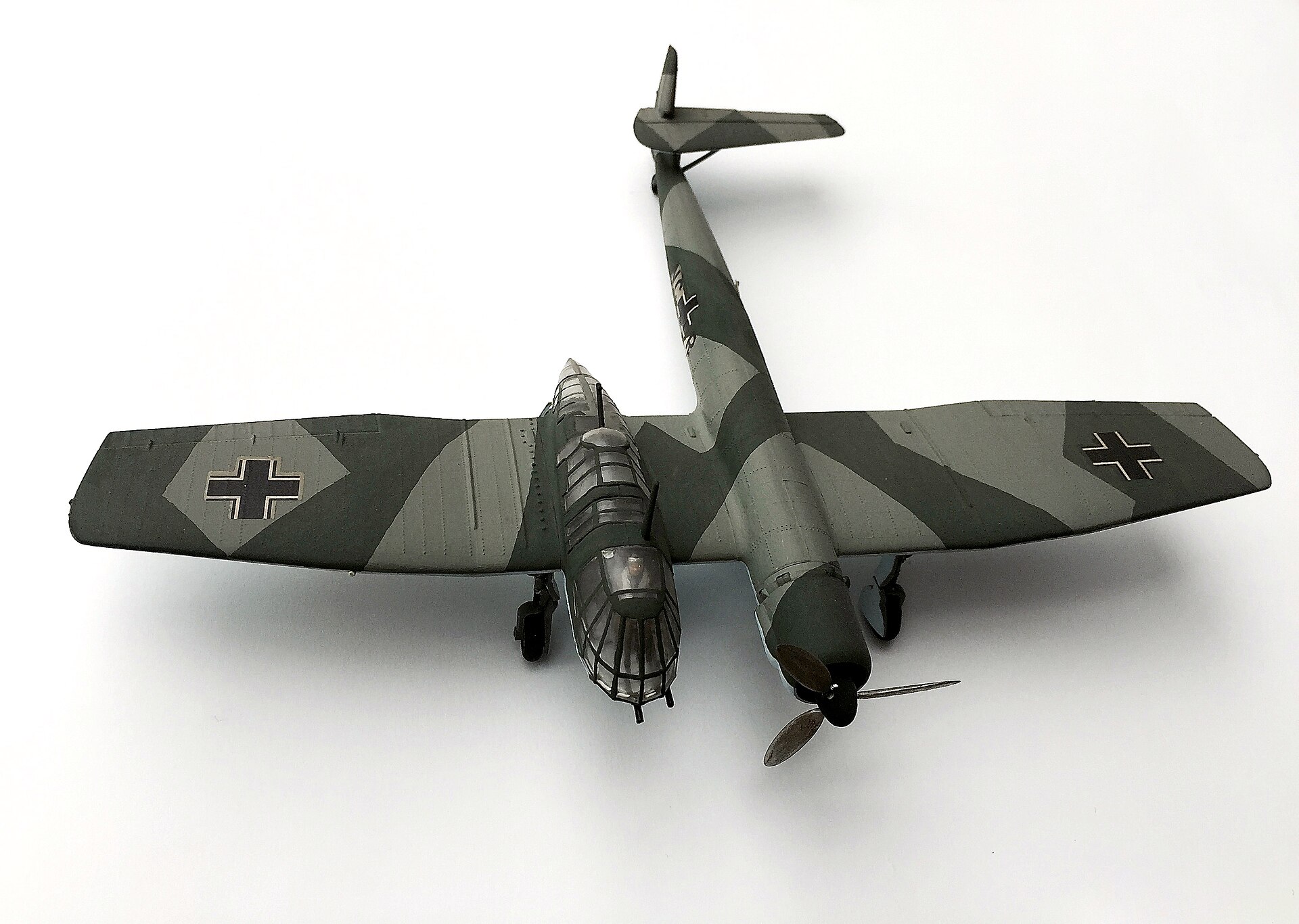
Broken on purpose
Most airplanes are mirrors. Left wing matches right wing. The Blohm & Voss BV 141 threw that rule out the window — then put the window on the side.
Designer Richard Vogt parked a single engine and boom on one side of the wing and hung a glass crew gondola on the other. From the front it looked unfinished, like someone forgot half the fuselage. From the air it flew straight enough to surprise people who only trust symmetry.
Germany built it in the late 1930s and early 1940s as a reconnaissance idea: give observers a huge view without props and engines blocking the windows. The glass pod sat beside the boom so the crew could see almost all around. The engine sat on the boom so the thrust line stayed useful and the view stayed clear.
Balance is a math problem
Asymmetry sounds like a crash waiting to happen. Vogt treated it like a seesaw. Weight, thrust, and aerodynamic surfaces were placed so the plane did not constantly yaw into a turn. The wing and boom carried the engine. The gondola carried people and cameras. The whole layout was meant to cancel the oddness in flight.
Early prototypes proved the idea worked better than jokes suggested. Pilots reported it handled surprisingly well for something that looked wrong in photos. Later versions refined the glasshouse and the boom. Only a small number were built. Bigger programs and other designs took the production slots.
The point for the hangar is not who won a contest. The point is that “looks broken” is not the same as “flies broken.” Engineering can be lopsided on purpose if the moments add up.
Why kids love the sideways plane
Captain, ten, sketches it with the pod labeled “crew side” and the boom labeled “engine side.” Co-Pilot, eight, says it looks like a plane that got dressed in the dark. Wingman, six, wants to know if the glass pod had a bathroom, which is not in the manuals we checked.
The BV 141 also teaches a quieter lesson: observation aircraft care about windows. Fighters care about guns and speed. A recon plane cares about seeing the ground without a big nose in the way. Sliding the people off-center was one weird answer to that problem.
You will not see BV 141s lining airport ramps today. The shape lives in museums, photos, and hangar arguments about whether symmetry is a law or a habit.
Try this: off-center glider
Fold a normal paper dart. Tape a paper-clip “engine” on the right side of the nose and a scrap of tissue “glass pod” on the left. Launch gently over carpet. Adjust clips until it flies mostly straight. You just did a backyard version of Vogt’s balancing act — weight and drag on opposite sides that still add up to “forward.”
Never rebuild a real airplane sideways in the driveway. The brothers only approve paper asymmetry.
Source note
Blohm & Voss BV 141 asymmetric reconnaissance aircraft; designer Richard Vogt; late-1930s/early-1940s German program; engine/boom on one side, glazed crew gondola on the other; limited production.
Crew note
Captain insists “lopsided” is a compliment here. Co-Pilot keeps drawing it with the pod on the wrong side, then flipping the paper. Wingman calls it the half-plane, then corrects himself: “whole plane, weird parking.”