The Giant Robotic Condor With a Football-Field Wingspan
Boeing’s Condor was a huge piston-powered research UAV with a ~200-foot wingspan — built to stay aloft for days, not to chase toys.
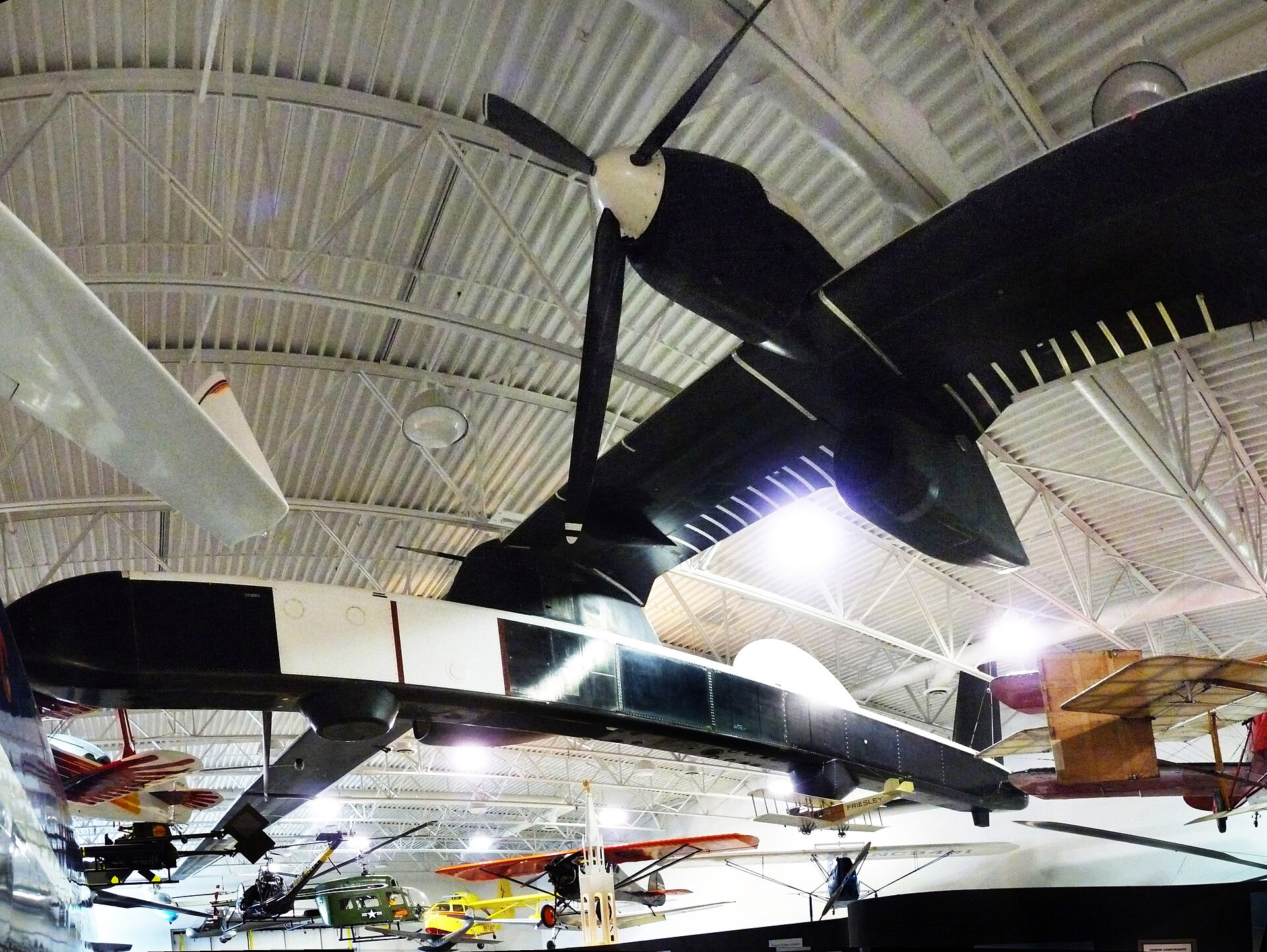
Bigger than a lot of airliners’ wings
Boeing’s Condor was an unmanned research aircraft from the late 1980s with a wingspan around 200–205 feet — longer than many airliner wings kids see at airports. It was not a pocket drone. It was a carbon-composite giant built to loiter high and long on two small turbocharged piston engines.
First flight was 9 October 1988. In testing over Moses Lake, Washington, Condor set a world altitude record for piston-powered aircraft at 67,028 feet in 1989. It also flew fully automated missions from takeoff to landing and posted unofficial endurance flights measured in days, not minutes. Federation paperwork never stamped every claim, but the engineering intent was clear: stay up where the air is thin and the view is wide.
Research UAV, not a toy story
Condor’s onboard computers talked with ground systems. The structure used advanced composites for lightness and a low radar/IR signature for a research airframe of its era. Payload ideas included sensing and communications — the hangar keeps the focus on endurance engineering, not combat checklists.
Only a tiny number were built. After the test program, one airframe’s story continued in public as a museum giant: the Hiller Aviation Museum displays Condor so visitors can walk the wingspan with their feet and feel how absurdly long “200 feet” is indoors.
Compared with today’s small quadcopters, Condor is a different species. Same word — UAV — wildly different scale, propulsion, and mission length.
Those altitude and automation milestones mattered because piston engines usually gasp in thin air. Condor’s turbocharged Continentals and tall props were tuned for a climb into air where most private planes cannot live. Composite spars kept the giant wing from weighing like a bridge. The result was a research tool that looked like a sailplane’s older, robotic cousin — except the mission clock ran for days when the test plan allowed.
Hangar scale check
Captain, ten, taped a 200-foot note to a football-field diagram. Co-Pilot, eight, asked if the pilots got bored — there were no onboard pilots. Wingman, six, flapped like a condor and requested snacks for a 50-hour flight.
High-altitude long-endurance design is a trade: huge wing, light structure, efficient props, patient climb. Condor is one of the clearest pre-2000s examples you can still stare at in a museum hall.
Try this: endurance paper loiter
Make the lightest long-wing paper glider you can. Time how long it stays up from a gentle launch. Add weight and time again. Talk about why Condor’s designers fought every pound — endurance loves lightness and span.
Paper loitering only. No real UAVs beyond whatever rules your family already follows for toys.
Source note
Boeing Condor HALE research UAV; first flight 9 Oct 1988; wingspan ~200–205 ft; piston engines; 67,028 ft piston altitude record (1989); automated flight demonstrations; long unofficial endurance flights; example at Hiller Aviation Museum.
Crew note
Captain files Condor under “research endurance,” not spy games. Co-Pilot wants a museum day just to walk the wing. Wingman packed imaginary sandwiches for a two-day paper flight.