The Airplane Older Than the Pilots
The last B-52H left the factory on 26 October 1962. In 2026 it is still flying, and a lot of the people in the seats were not born when it was.
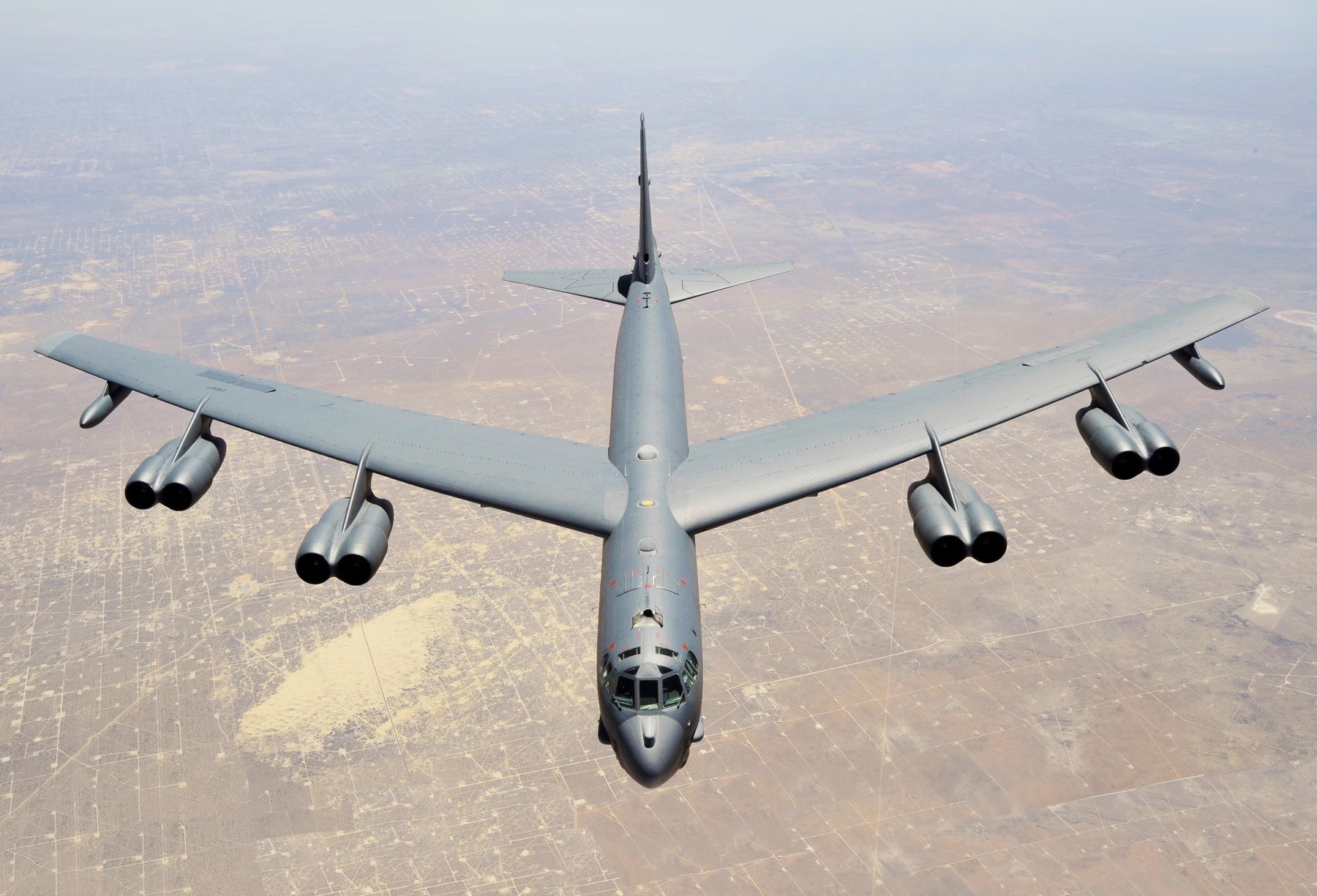
A 1962 airplane on a 2026 calendar
Most machines from 1962 are in museums, or in pieces, or in a grandparent’s garage under a tarp. The Boeing B-52H Stratofortress is on the schedule.
First flight of the family: 15 April 1952, a prototype called the YB-52, Boeing Field near Seattle to Larson Air Force Base. Test pilot “Tex” Johnston. The Air Force put the B-52 to work in 1955. They built 744, counting the early letters. The last letter that still flies is H. One hundred and two H models were built. The last one, tail 61-040, left the Wichita factory on 26 October 1962.
That is the same autumn as the Cuban Missile Crisis. The jet outlasted the crisis by more than sixty years.
Eight engines, hung in four pairs under a wing 185 feet across. Length 159 feet 4 inches. Crew of five: two pilots, a navigator, a weapon systems officer, an electronic warfare officer. We are not telling a weapons story here. We are telling an age story. The airframe is older than a lot of the people who climb in.
At least one B-52 family has had a grandfather, a father, and a child all fly the same type. That is not a metaphor. That is a logbook.
Designed in a hotel, still getting new parts
In October 1948, Boeing engineers in Dayton, Ohio, were told their turboprop bomber was not good enough. They went back to the Hotel Van Cleve. Over a weekend they redrew it as a swept-wing jet with eight engines in pods. One of them built a 14-inch model. On Monday they handed over a 33-page proposal. That hotel-room jet is the one still in the air.
The wing is supposed to flex. On a test airframe the tip could travel about 32 feet from a down-load to an up-load. A stiff wing that size would break itself. A flexible one rides gusts like a tall tree.
The H model’s original engines were Pratt & Whitney TF33 turbofans, about 17,000 pounds of thrust each. The Air Force is swapping them for Rolls-Royce F130s and calling the upgraded jets B-52J. New radar. New screens. The plan is to keep the type into the 2050s — which would put some airframes near a hundred years old. The J-model’s “ready for real work” date has already slipped toward 2033. Captain wrote “slipped” on the board so we do not pretend schedules are physics.
In 1964, B-52H 61-023 lost its whole vertical tail in mountain turbulence over Colorado. The crew flew it home and landed. That is not a stunt. That is a reminder that this airframe has been through weather that would end a lesser drawing.
As of the mid-2020s, a little over seventy H models were still on the line, plus some sleeping in the desert “boneyard” in Arizona. Two of those sleepers, nicknamed Ghost Rider and Wise Guy, were even woken up and flown again. Old is not the same as used up.
Why a grandpa jet still matters
New stealth bombers get the posters. The B-52 gets the hours. It can stay up a long time, take a hose of fuel from a tanker, and come home. The Air Force kept it because the replacement kept being late, expensive, or both.
There is a lesson with no medals in it: if you build the structure honest, and you keep changing the insides, a 1962 airplane can still earn its keep in 2026. Phones from 1962 cannot. This can.
Do not mix it up with NASA’s old B-52 mothership that dropped the X-15. That was a different, earlier airframe with a research job. This story is the H model that never clocked out.
Try this: the three-generation glider
Fold one paper airplane today. Write the date under the wing. Fly it.
Next month, do not throw it away. Tape on a new paper-clip nose, or a fresh fold in the tail, and fly it again. That is a tiny B-52: same bones, new bits.
Captain logs every flight of the dated dart. Co-Pilot wants to declare it retired after one crash into a lamp. Wingman says the lamp started it.
Source note
U.S. Air Force fact sheets and Boeing production record (YB-52 first flight 15 Apr 1952; B-52H deliveries from 1961; last H, 61-040, 26 Oct 1962; eight TF33 engines, 185 ft wing; B-52J re-engine to F130). Hotel Van Cleve redesign weekend, 21–25 Oct 1948, per Boeing historical accounts. 61-023 tail loss 10 Jan 1964, crew landed safely.